 W
WAnjirō (アンジロー) or Yajirō , baptized as Paulo de Santa Fé, was the first recorded Japanese Christian, who lived in the 16th century. After committing a murder in his home domain of Satsuma in southern Kyushu, he fled to Portuguese Malacca and he sought out Saint Francis Xavier (1506–1552) and returned to Japan with him as an interpreter. Along with Xavier, Anjirō returned to Japan with two other Jesuits, two Japanese companions, and a Chinese companion who had been baptized to Catholicism to form the first Jesuit mission to Japan.
 W
WArakaki Seishō was a prominent Okinawan martial arts master who influenced the development of several major karate styles. He was known by many other names, including Aragaki Tsuji Pechin Seisho.
 W
WIkuma Arishima was the pen-name of Arishima Mibuma, a Japanese novelist and painter active in the Taishō and Shōwa period. He also used Utosei and then Jugatsutei as alternative pen names.
 W
WFukuzawa Yukichi was a Japanese author, writer, teacher, translator, entrepreneur, journalist, and leader who founded Keio University, Jiji-Shinpō and the Institute for Study of Infectious Diseases.
 W
WHanako, Princess Hitachi , is a member of the Japanese Imperial Family as the wife of Masahito, Prince Hitachi, who is the younger son of Emperor Shōwa and the only brother of the retired emperor Akihito.
 W
WNoriko Ibaragi was a Japanese poet, playwright, essayist, children's literature writer, and translator. She is most well known for her poem, Watashi ga ichiban kirei datta toki , written twelve years after the Japanese defeat in WWII. In 1953, she co-founded the literary journal Kai ("Oars"). She began to learn Korean as a second language at the age of fifty, going on to publish her own translations of poetry by her Korean contemporaries.
 W
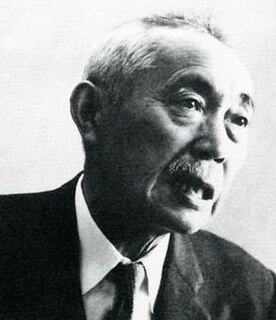
WŌmi Komaki was the pen-name of a scholar and translator of French literature in Taishō and Shōwa period Japan. His real name was Komaki Ōmiya.
 W
WHidemi Kon was a literary critic and essayist active in Japan during the Shōwa period.
 W
WSaiichi Maruya was a Japanese author and literary critic.
 W
WLieutenant-General Mori Rintarō , known by his pen name Mori Ōgai , was a Japanese Army Surgeon general officer, translator, novelist, poet and father of famed author Mari Mori. He obtained his medical license at a very young age and introduced translated German language literary works to the Japanese public. Mori Ōgai also was considered the first to successfully express the art of western poetry in Japanese. He wrote many works and created many writing styles. The Wild Geese (1911–1913) is considered his major work. After his death, he was considered one of the leading writers who modernized Japanese literature.
 W
WNakahama Manjirō , also known as John Manjirō, was one of the first Japanese people to visit the United States and an important translator during the Opening of Japan.
 W
WShomu Nobori was the pen-name of a noted translator and educator of Russian literature in Taishō and Shōwa period Japan. His real name was Naotaka Nobori . He also served as a special advisor to the Japanese cabinet on Russian and Soviet issues.
 W
WYonejirō Noguchi was an influential Japanese writer of poetry, fiction, essays and literary criticism in both English and Japanese. He is known in the west as Yone Noguchi. He was the father of noted sculptor Isamu Noguchi.
 W
WIlonka Haruka Tatianna Orth is a Hungarian-American actress, director, and astrologer who lives in Kichijōji, Tokyo, Japan. She is a graduate of International Christian University in Mitaka, Tokyo, Japan and currently works for the production agency R&A Promotion.
 W
WMotoo Ōtaguro was a Japanese music critic. He is considered a pioneer of music criticism in Japan.
 W
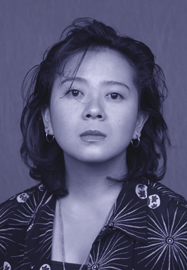
WMegumu Sagisawa was the pen name of Japanese novelist and writer Megumi Matsuo (松尾めぐみ). Her works of fiction have been described as focusing on topics such as complex interpersonal relationships and the anxieties of the youth.
 W
WRyoko Sekiguchi is a Japanese poet and translator.
 W
WTatsuhiko Shibusawa was the pen name of Shibusawa Tatsuo, a novelist, art critic, and translator of French literature active during Shōwa period Japan. Shibusawa wrote many short stories and novels based on French literature and Japanese classics. His essays about black magic, demonology, and eroticism are also popular in Japan.
 W
WWakamatsu Shizuko was an educator, translator, and novelist best known for translating Little Lord Fauntleroy written by Frances Hodgson Burnett. She is also known for introducing literature with Christianity for children's novels.
 W
WSugita Genpaku was a Japanese physician and scholar known for his translation of Kaitai Shinsho and a founder of Rangaku and ranpō in Japan. He was one of the first Japanese scholars in Edo to study the Dutch language and is credited with being one of the first Japanese physicians to study Western medical teachings in Japan.
 W
WMichio Takeyama was a Japanese writer, literary critic and scholar of German literature, active in Shōwa period Japan.
 W
WRyūichi Tamura was a Japanese poet, essayist and translator of English language novels and poetry who was active during the Shōwa period of Japan.
 W
WHori Tatsunosuke was a Japanese interpreter and translator of Dutch and English during the Edo period. Although he initially came from a line of Dutch translators, he was later able to learn English.
 W
WYoshio Kōsaku , also known as Yoshio Kōgyū was a Japanese physician and scholar of "Dutch studies" (Rangaku), and the chief Dutch translator in Nagasaki, often accompanying Dutch East India Company officials on missions to Edo and other official business.