 W
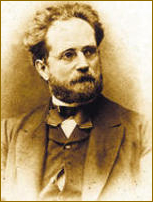
WKarl Hermann Bitter was a Prussian statesman and writer on music.
 W
WLudwig Nohl was a German music scholar and writer best known for discovering and publishing Beethoven's famous bagatelle, "Für Elise".
 W
WOscar Paul was a German musicologist and a music writer, critic, and teacher.
 W
WMargarethe Quidde was a German cellist, writer, music educator, and pianist.
 W
WHermann Rauhe is a German musicologist.
 W
WJohann Friedrich Rochlitz was a German playwright, musicologist and art and music critic. His most notable work is his autobiographical account Tage der Gefahr about the Battle of Leipzig in 1813 — in Kunst und Altertum, Goethe called it "one of the most wondrous productions ever to have been written". A Friedrich-Rochlitz-Preis for art criticism is named after him — it is awarded by the Leipzig Gesellschaft für Kunst und Kritik and was presented for the fourth time in 2009.
 W
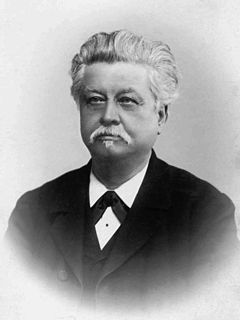
WFriedrich Hieronymus Truhn was a 19th-century German conductor, composer and music writer who worked mainly in Berlin, Danzig, Elbing and Riga. He was the son of Hofmarschall Nathanael Truhn and the grandfather of Selma Erdmann-Jesnitzer, born Bethge-Truhn, father of Clara and Anna Marie Elizabeth Truhn. He was a very special person and a talented composer of numerous songs, several stage works, and also a key organizer in the field of men's choirs.
 W
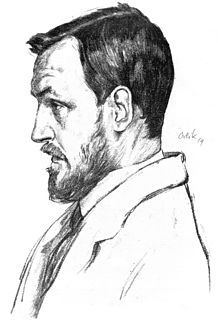
WWendelin Weißheimer was a 19th-century German composer, conductor, essayist, teacher and music writer. He studied with Franz Liszt and was in close contact with Richard Wagner, Hans von Bülow, Peter Cornelius, Louise Otto-Peters, Ferdinand Lassalle, August Bebel and many other notable musicians.
 W
WJustus Hermann Wetzel was a German composer, writer and music educator.