 W
WWilliam Ambrose, whose bardic name was Emrys, was a 19th-century Welsh-language poet and preacher.
 W
WTony Bianchi was a prize-winning novelist, poet, short-story writer and critic, writing in both Welsh and English.
 W
WJohn Blackwell, who used the bardic name Alun, was a Welsh language poet.
 W
WDafydd ap Gwilym is regarded as one of the leading Welsh poets and amongst the great poets of Europe in the Middle Ages.
 W
WDavid Davis, known as "Castellhywel" or "Dafis Castellhywel" to differentiate him from others of the same name, was a Welsh minister and poet.
 W
WRobert Jones Derfel was a Welsh poet and political writer.
 W
WIeuan Deulwyn was a Welsh language poet or bard.
 W
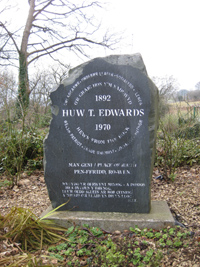
WHuw Thomas Edwards was a Welsh trade union leader and politician.
 W
WRobert Ellis, professionally known by his bardic name Cynddelw, was a Welsh language poet, editor, and lexicographer, born at Tyn y Meini, Bryndreiniog, Pen-y-Bont-Fawr in the old county of Montgomeryshire, Mid Wales.
 W
WDaniel Evans, better known by his pseudonym, Daniel Ddu o Geredigion, was a Welsh language poet.
 W
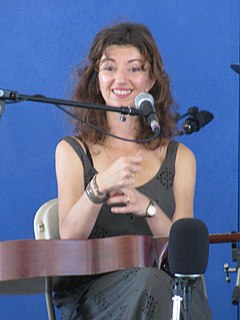
WGwyneth Glyn is a Welsh language poet and musician.
 W
WRichard Goodman Jones was a Welsh poet, better known as Dic. He was a resident of Mynytho on the Llŷn Peninsula, Gwynedd.
 W
WAnn Griffiths was a Welsh poet and writer of Methodist Christian hymns in the Welsh language. Her poetry reflects fervent evangelical Christian faith and thorough scriptural knowledge.
 W
WOwen Gruffydd (1643-1730) was a Welsh poet partly noted for a lament on the decline of the Welsh language in the early 18th century.
 W
WWalter Davies, commonly known by his bardic name Gwallter Mechain, was a Welsh poet, editor, translator, antiquary and Anglican clergyman.
 W
WGwerful Fychan was a poet during the period of the Welsh Beirdd yr Uchelwyr during the late Middle Ages. She came from a noble family, her full name in genealogies being given as Gwerful ferch Ieuan Fychan ap Ieuan ap Hywel y Gadair ap Gruffudd ap Madog ap Rhirid Flaidd, and was the heiress of the mansion of Caer-Gai, near Llanuwchllyn, Merioneth. The name Fychan was later anglicised as Vaughan.
 W
WSaint Richard Gwyn, also known by his anglicised name, Richard White, was a Welsh school teacher. He was martyred by being hanged, drawn and quartered for high treason in 1584. He was canonised by Pope Paul VI in 1970 as one of the Forty Martyrs of England and Wales. His feast day is celebrated on 17 October.
 W
WJoseph Harris was a Welsh Baptist minister, author, and journal editor. A Welsh language poet, he took the Biblical name of Gomer as his bardic name. On 1 January 1814 he launched the first Welsh-language weekly Seren Gomer in Swansea. Gomer was born on a farm in Wolf's Castle, Pembrokeshire, where a plaque was unveiled in his memory, making the 200th anniversary of the launch of Seren Gomer. Gomer himself became a preacher during the religious revival of 1795. He married Martha Symons, and took on Back Street chapel. One of his best-known works, Cofiant Ieuan Ddu, was a biography of his son, John Ryland Harris, who worked as a typesetter for his father's printing press and died at the age of twenty.
 W
WHedd Wyn was a Welsh-language poet who was killed on the second day of the Battle of Passchendaele during World War I. He was posthumously awarded the bard's chair at the 1917 National Eisteddfod. Evans, who had been awarded several chairs for his poetry, was inspired to take the bardic name Hedd Wyn from the way sunlight penetrated the mist in the Meirionnydd valleys.
 W
WChristine James is a Welsh poet and academic who was Archdruid of Wales from June 2013 until June 2016, as the first woman to hold the title. She first presided over the ceremonies at the National Eisteddfod in the 2013 Eisteddfod in Denbigh. Like all holders, she qualified by winning one of the major literary prizes at a previous National Eisteddfod. She was elected Cofiadur (Recorder) of the Gorsedd of Bards at the National Eisteddfod in 2017, again as the first woman to hold the post. She is a recipient of the Wales Book of the Year.
 W
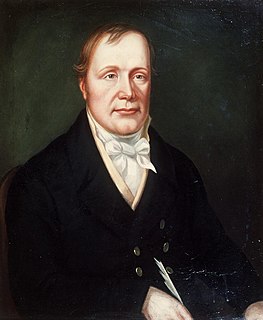
WJohn Jones, better known by his bardic name Jac Glan-y-gors, was a Welsh language satirical poet and radical pamphleteer, born in Cerrigydrudion, Denbighshire, north Wales.
 W
WAlice Gray Jones was a Welsh writer and editor, known by the pseudonym "Ceridwen Peris". She was an active temperance campaigner, and a co-founder of the North Wales Women's Temperance Union.
 W
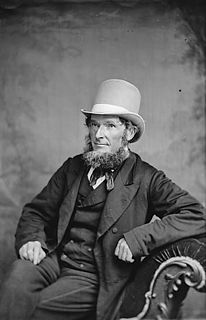
WOwen Gethin Jones, was a Welsh building contractor, quarry owner and prominent poet.
 W
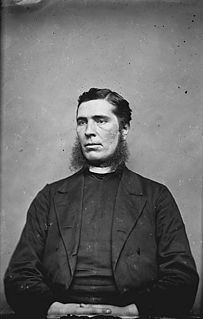
WOwen Wynne Jones, often known by his bardic name of Glasynys, was a Welsh clergyman, folklorist, poet, novelist and short-story writer.
 W
WProfessor Thomas Gwynn Jones C.B.E., more widely known as T. Gwynn Jones, was a leading Welsh poet, scholar, literary critic, novelist, translator, and journalist who did important work in Welsh literature, Welsh education, and the study of Welsh folk tales in the first half of the twentieth century. He was also an accomplished translator into Welsh of works from English, German, Greek, and Irish.
 W
WT. James Jones is a Welsh poet and dramatist, and former Archdruid of the National Eisteddfod of Wales. He is also known by the bardic name Jim Parc Nest.
 W
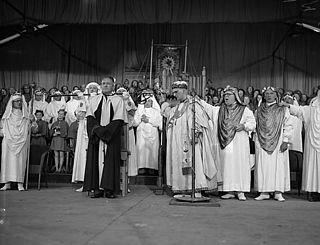
WThomas Llewelyn Jones was a Welsh language author. Over a writing career of more than 50 years, he became one of the most prolific and popular authors of children's books in Welsh. He wrote, and was generally known, as T. Llew Jones.
 W
WSaunders Lewis was a Welsh political activist, poet, dramatist, historian and literary critic. He was a prominent Welsh nationalist and one of the founders of Plaid Genedlaethol Cymru, later known as Plaid Cymru. Lewis is usually acknowledged as one of the most prominent figures of 20th century Welsh-language literature. In 1970, Lewis was nominated for a Nobel Prize in Literature. Lewis was voted the tenth greatest Welsh hero in the '100 Welsh Heroes' poll, released on St. David's Day 2004.
 W
WRobin Llwyd ab Owain is an author, national award winning poet, and Wikipedian. He won the chair at the National Eisteddfod of Wales in 1991 at Mold for a poem titled "Merch Ein Amserau". In 2013, he was appointed Wikimedia UK's first Wales Manager.
 W
WDewi Morgan, also known by his bardic name "Dewi Teifi", was a Welsh bard, scholar and journalist, who won the Chair at the 1925 National Eisteddfod of Wales in Pwllheli with his important awdl recounting the legend of Cantre'r Gwaelod.
 W
WEdward Williams, better known by his bardic name Iolo Morganwg, was an influential Welsh antiquarian, poet, and collector. He had been seen as a leading collector of Medieval Welsh literature and expert on it, but it emerged after his death that he had forged several manuscripts, notably parts of the Third Series of Welsh Triads. Even so, he had a lasting impact on Welsh culture, notably in founding the Gorsedd. The philosophy he spread in his forgeries had a big impact on early neo-druidism. His bardic name is Welsh for "Iolo of Glamorgan".
 W
WLewis Morris was a Welsh hydrographer, antiquary, poet and lexicographer, the eldest of the Morris brothers of Anglesey.
 W
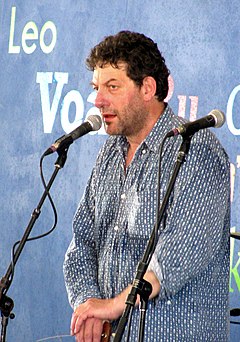
WTwm Morys is a Welsh poet and musician.
 W
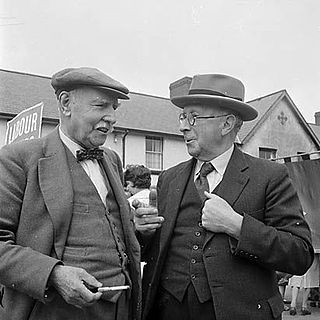
WThomas Evan Nicholas, who used the bardic name "Niclas y Glais", was a Welsh language poet, preacher, radical, and champion of the disadvantaged of society.
 W
WOwain Owain was a Welsh novelist, short-story writer and poet. He also founded Tafod y Ddraig, which became the Welsh Language Society's main voice from its birth in the 1960s to the present day.
 W
WDavid Owen was a Welsh poet and farmer. He is noted for developing two traditional Welsh verse forms: the awdl and the englyn.
 W
WJohn Owen, also known by his bardic name Owain Alaw Pencerdd, was a Welsh-language poet and also a musician.
 W
WTomos Prys (c.1564–1634) was a Welsh soldier, sailor and poet. He was the eldest son of Ellis Price MP, of Plas Iolyn, Pentrefoelas, Denbighshire.
 W
WSarah Jane Rees, also known by her bardic name of "Cranogwen", was a Welsh teacher, poet, editor and temperance campaigner.
 W
WThe Rev. William Rees, usually known in Wales by his bardic name of Gwilym Hiraethog, was a Welsh poet and author, one of the major figures of Welsh literature during the 19th century.
 W
WDavid Richards, better-known by his bardic name Dafydd Ionawr, was a Welsh-language poet, born at Glanyrafon near Bryn-crug in the parish of Tywyn in Merionethshire, north-west Wales.
 W
WJohn Jones, known by his bardic name of Talhaiarn, was a Welsh poet and architect.
 W
WEbenezer Thomas, better known to Welsh speakers by his bardic name of Eben Fardd, was a Welsh teacher and poet.
 W
WWilliam Thomas, better known by his bardic name of Gwilym Marles, was a Welsh minister and poet, and the great-uncle of Dylan Thomas. Dylan was given his middle name, "Marlais", in honour of William Thomas, who is also believed to have inspired the character of Rev. Eli Jenkins in the play Under Milk Wood.
 W
WWilliam Thomas, bardic name Islwyn, was a Welsh language poet and Christian clergyman. His best known poems were both called Yr Ystorm ['The Storm'], and were written in response to the sudden death of his fiancee.
 W
WTudur Penllyn was a Welsh language poet during the time of the Beirdd yr Uchelwyr, the professional poets of the late Middle Ages.
 W
WTwm o'r Nant was the pen name of the Welsh language dramatist and poet Thomas Edwards, also known as Tom of the Dingle. He was famous for his anterliwtau, which he performed mainly around his native Denbighshire.
 W
WEliseus Williams, better known by his bardic name "Eifion Wyn", was a Welsh language poet, born at Porthmadog in Caernarfonshire, Wales. The primary school in the town of Porthmadog where he lived is named after him.
 W
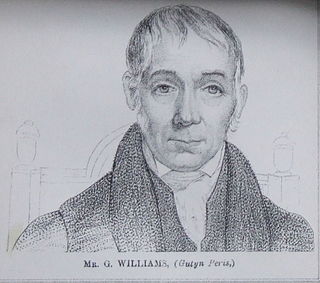
WGriffith Williams (1769–1838) was a Welsh language poet. He chose Gutyn Peris as his Bardic name.
 W
WJohn Richard Williams or J.R. Tryfanwy, often referred to simply by his bardic name Tryfanwy, was a Welsh language lyrical poet. He was born in the village of Rhostryfan in the old county of Caernarfonshire (Gwynedd), north Wales. He is buried at Portmadoc.
 W
WWilliam Nantlais Williams, better known simply as Nantlais, was a Welsh poet and a Presbyterian Christian minister who played a prominent role in the 1904-1905 Welsh Revival.
 W
WRobert Williams, usually referred to by his bardic name Trebor Mai, was a Welsh language poet, born at Ty'n-yr-ardd near Llanrhychwyn, near Llanrwst, in the old county of Caernarfonshire, the son of a tailor. He was educated at a local Llanrhychwyn school and for a period attended the free school at Llanrwst. Around 1843, he moved with his family to Llanrwst and he applied himself to his father's craft. After he married on 13 October 1854 he commenced business as a tailor himself in Llanrwst, and remained there for the rest of his life. He died in 1877, aged 47.
 W
WWaldo Goronwy Williams was one of the leading Welsh-language poets of the 20th century. He was also a notable Christian pacifist, anti-war campaigner, and Welsh nationalist. He is often referred to by his first name only.
 W
WWilliam Williams, Pantycelyn, also known as William Williams, Williams Pantycelyn, and Pantycelyn, is generally seen as Wales's premier hymnist. He is also rated as one of the great literary figures of Wales, as a writer of poetry and prose. In religion he was among the leaders of the 18th-century Welsh Methodist revival, along with the evangelists Howell Harris and Daniel Rowland.