 W
WCarlos Alvarado-Larroucau is an Argentine-born French author, born in Argentina in 1964.
 W
WOlegario Víctor Andrade (1839–1882) was an Argentine journalist, poet and politician, who was born in Brazil. His daughter, Agustina Andrade, was also a poet.
 W
WNorberto Aroldi was an Argentine film actor, poet and screenwriter.
 W
WHilario Ascasubi was an Argentine poet, politician and diplomat.
 W
WEnrique Banchs (1888–1968) was an Argentine poet. He published all his work in the space of four years at the beginning of the 20th century. In his four works, Las barcas (1907), El libro de los elogios (1908), El cascabel del halcón (1909) and La urna (1911). Banchs cultivated an ephemeral, classicistic style drawing inspiration from the Siglo de Oro. His final work was composed in sonnets, a form which had already been almost completely abandoned by that time. Banchs published nothing during the final fifty years of his life, but he remained a part of the Argentine literary scene, and a member of the Argentine Academy of Letters. He was a friend of Carlos Alberto Leumann.
 W
WVicente Barbieri was an Argentine poet born in Alberti. He was part of the Argentine Generation of '40, and is known for several poem collections like El bailarín (1953), and many others. In the years 1955 and 1956 he was director of El Hogar magazine and president of the Sociedad Argentina de Escritores (SADE). He died at the age of 53 from tuberculosis and was awarded posthumously with the National Prize of Poetry.
 W
WFrancisco Luis Bernárdez was an Argentine poet, born in Buenos Aires.
 W
WRafael Antonio Bielsa Caldera is an Argentine Justicialist Party politician from Rosario, province of Santa Fe. Since 2020 he has been Argentina's ambassador to Chile.
 W
WJorge Francisco Isidoro Luis Borges Acevedo was an Argentine short-story writer, essayist, poet and translator, and a key figure in Spanish-language and universal literature. His best-known books, Ficciones (Fictions) and El Aleph, published in the 1940s, are compilations of short stories interconnected by common themes, including dreams, labyrinths, philosophers, libraries, mirrors, fictional writers, and mythology. Borges' works have contributed to philosophical literature and the fantasy genre, and have been considered by some critics to mark the beginning of the magic realist movement in 20th century Latin American literature. His late poems converse with such cultural figures as Spinoza, Camões, and Virgil.
 W
WJosé Antonio Bottiroli was an Argentine classical music composer and poet.
 W
WMiguel Brascó was an Argentine writer, poet and translator, humorist, cartoonist, editor, critic who is a specialist in wine and gourmet food. From Sastre, Santa Fe, he was also a lawyer and journalist of long standing, and a keen observer of Argentine affairs.
 W
WEstanislao del Campo was an Argentine poet. Born in Buenos Aires to a unitarian family—the unitarians were a political party favoring a strong central government rather than a federation, he fought in the battles of Cepeda and Pavón, defending Buenos Aires´s rights.
 W
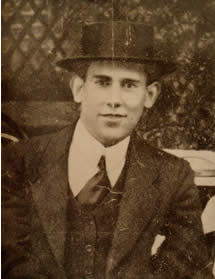
WEvaristo Carriego, was an Argentine poet, best known today for the biography written about him by Jorge Luis Borges.
 W
WOvidio Cátulo González Castillo was an Argentine poet and tango music composer. He was the author of many famous works, such as Organito de la tarde, El aguacero, Tinta roja and Caserón de tejas, María and La última curda, and El último café. The tango La calesita, which he composed with Mariano Mores, inspired the film of the same name directed in 1962 by Hugo del Carril.
 W
WAndrés Chabrillón was an Argentine poet, writer, lecturer and literature professor of French descent.
 W
WFermín Chávez was an Argentine historian, poet and journalist, born in El Pueblito, a small town near Nogoyá, province of Entre Ríos. He studied humanities in Córdoba, philosophy in Buenos Aires, and devoted three years to the study of theology, canon law, archaeology and Ancient Hebrew in Cuzco, Peru.
 W
WGabino Coria Peñaloza was an Argentine poet and lyricist.
 W
WHumberto "Cacho" Costantini was an Argentine writer and poet whose work is filled with the rich slang (porteño) of Buenos Aires. Except for his years of exile in Mexico, his life was lived in and around Buenos Aires.
 W
WSantiago Vega, better known as Washington Cucurto, is an Argentinian writer of fiction, prose and poetry. He is the self-proclaimed creator of realismo atolondrado. His writing shares tendencies of American authors like Charles Bukowski, William S. Burroughs and Henry Miller. Because of his subject matter and style, he is a cult author, especially among young readers. His work deals with negritude, poverty, homosexuality, and other fringe cultures. In 2002 he founded Eloísa Cartonera, an extremely successful non-profit publishing house specializing in handmade and affordable books from recycled materials.
 W
WClaudio Mamerto Cuenca (1812–1852) was an Argentine poet and physician.
 W
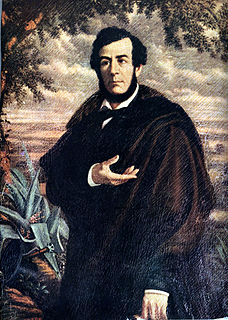
WJosé Esteban Antonio Echeverría was an Argentine poet, fiction writer, cultural promoter, and political activist who played a significant role in the development of Argentine literature, not only through his own writings but also through his organizational efforts. He was one of Latin America's most important Romantic authors.
 W
WLuis (Leopoldo) Franco was an autodidact, a self-made intellectual, essayist, and poet.
 W
WJuan Gelman was an Argentine poet. He published more than twenty books of poetry between 1956 and his death in early 2014. He was a naturalized citizen of Mexico, country where he arrived as a political exile of the Military Junta.
 W
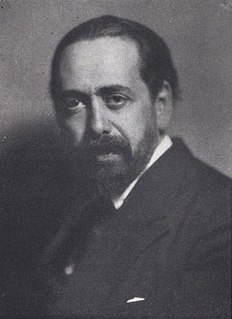
WOliverio Girondo was an Argentine poet. He was born in Buenos Aires to a relatively wealthy family, enabling him from a young age to travel to Europe, where he studied in both Paris and England. He is perhaps most famous for his participation in the magazines, which ushered in the arrival of ultraism, the first of the vanguardist movements to settle in Argentina.
 W
WAlberto Girri (1919–1991) was an Argentine poet and writer born in Buenos Aires.
 W
WEduardo González Lanuza was an Argentine poet born in Santander, Spain. One of his best known work is "Poem for Being Recorded in a Phonograph Disc" (1932). He also was part of the Ultraist movement and one of the founders of Prisma and Proa magazines as well as contributor in Martín Fierro magazine.
 W
WRaúl González Tuñón was an Argentine poet and writer from Buenos Aires. He also worked as a journalist, notably for the journal Crítica, and was known for his social activism and his socialist beliefs. He was a great friend of the Chilean poet and Nobel laureate Pablo Neruda. His first book of poetry, El violín del diablo, was published by the well-known Buenos Aires publishing house Editorial Gleizer in 1926, and Gleizer then published many of his later works.
 W
WCésar González, is an Argentinian poet and cinematographer. He is often referred to as "el poeta villero".
 W
WRicardo Güiraldes was an Argentine novelist and poet, one of the most significant Argentine writers of his era, particularly known for his 1926 novel Don Segundo Sombra, set amongst the gauchos.
 W
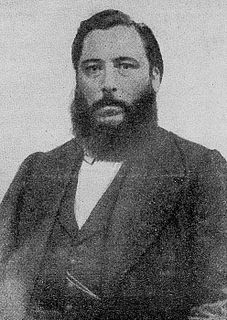
WJosé Hernández was an Argentine journalist, poet, and politician best known as the author of the epic poem Martín Fierro.
 W
WSantiago Kovadloff is an Argentine essayist, poet, translator, anthologist of Portuguese literature and author of children's stories. He was born in Buenos Aires where he graduated in Philosophy at the University of Buenos Aires with a thesis on the thought of Martin Buber called "The hearer of God". Some of his works were translated into Hebrew, Portuguese, German, Italian and French and others have spread throughout Spain.
 W
WÁlvaro Octavio Melián Lafinur was an Argentinian poet and critic.
 W
WCarlos Alberto Leumann (1886–1952) was an Argentine poet, teacher, and essayist. He wrote essays on science and metaphysics, and was the director of the literary supplement in La Nación. His poems have been published in Spanish language anthologies.
 W
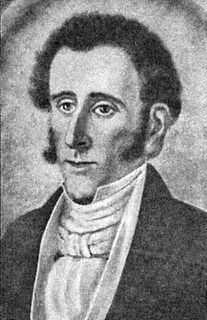
WEsteban de Luca was an Argentine military officer, poet, and government official during the nation's early years.
 W
WTom Lupo was an Argentine poet, psychoanalyst and radio personality. He was born in Charata, Argentina. He hosted the radio show The Tom Lupo Show. In 2011, he released a poetry collection titled Giro hondo. He hosted many shows on Televisión Pública.
 W
WLeopoldo Marechal was one of the most important Argentine writers of the twentieth century.
 W
WJosé Mármol was an Argentine journalist, politician, librarian, and writer of the Romantic school.
 W
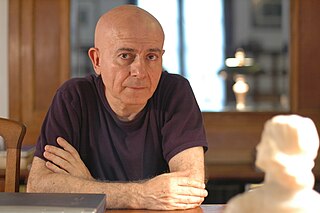
WHugo Mujica is an Argentine Catholic priest, poet, writer, and former Trappist monk.
 W
WUlyses Petit de Murat was an Argentine poet and screenwriter.
 W
WRafael Obligado was an Argentine poet and playwright.
 W
WJuan Laurentino Ortiz was an Argentine poet, born in the town of Puerto Ruiz, Entre Ríos Province. He died in Paraná, capital of the same province, at the age of 82.
 W
WCalixto Oyuela was an Argentine poet and essayist.
 W
WPedro Bonifacio Palacios, better known by his sobriquet, Almafuerte, was an Argentine poet.
 W
WJosé Bartholomew Pedroni Fantino was an Argentine poet.
 W
WAldo Mario Pellegrini, was an Argentine poet, essayist and art critic.
 W
WSixto Pondal Ríos was an Argentine screenwriter, poet and dramatist.
 W
WSergio Raimondi is an Argentine poet. He is also a professor at Universidad Nacional del Sur, where he is in charge of the subject Contemporary Literature. Until June, 2011, he was the director of the Museo del Puerto de Ingeniero White.
 W
WHoracio Rega Molina was an Argentine poet specialized in sonnets, journalist, writer, teacher, and Argentine dramatist. He worked as a literary critic in the newspaper "El Mundo".
 W
WJosé Rivera Indarte was an Argentine poet and journalist. He was at times both a supporter and critic of Juan Manuel de Rosas, writing first the "Anthem of the restorers" and later the "Blood tables".
 W
WRaúl Scalabrini Ortiz was an Argentine writer, philosopher, journalist, essayist and poet, friend of Arturo Jauretche and Homero Manzi, and loosely associated with the political group Fuerza de Orientación Radical de la Joven Argentina (FORJA).
 W
WMario Trejo was an Argentine poet, playwright, screenwriter, and journalist.
 W
WFrancisco "Paco" Urondo was an Argentine writer and member of the Montoneros guerrilla organization.
 W
WAlberto Vanasco was an Argentine novelist, poet and short fiction writer.