 W
WĐuro Arnold was a Croatian writer and philosopher.
 W
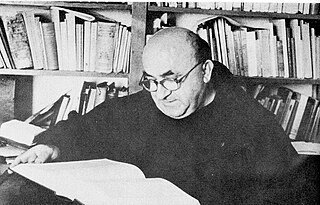
WCharles Balic was a Croatian Franciscan Mariologist. Friar Charles Balić was a famous Theologian, specializing in the figure and works of John Duns Scotus, and Rector of the Pontifical University Antonianum of Rome. He was the founder of the Pontifical Academy of Mary and President of the International Scotistic Commission. He was the principal redactor in the editing of the chapter VIII of the Lumen gentium with "De Beata" redaction. He has been important for the ecumenical mariology. Balic is considered as one of the top representative of the "Marian movement" in the 20th century: his appointment was conclusive for the proclamation of the dogma of the assumption.
 W
WAntun Barac, was a Croatian historian.
 W
WMilan Begović was a Croatian writer, born in Vrlika, in the territory of today's Croatia.
 W
WIvan Belostenec was a Croatian linguist and lexicographer.
 W
WMirko Breyer was known Croatian writer, bibliographer and antiquarian.
 W
WĐuro Deželić was a Croatian writer.
 W
WJanko Drašković was a Croatian national reformer, politician and poet. He was a member of the Drašković family, one of the oldest Croatian noble families.
 W
WTomislav Dretar is a Croatian, Bosnian, French and Belgian poet, writer, critic, and translator, as well as an academic, journalist, editor, political leader and president of Bihać's HVO. He is also known by the French alias Thomas Dretart.
 W
WLjudevit Gaj was a Croatian linguist, politician, journalist and writer. He was one of the central figures of the pan-Slavist Illyrian Movement.
 W
WKsaver Šandor Gjalski was a Croatian writer and civil servant.
 W
WEva Grlić was Croatian journalist and writer, mother of famous Croatian film director and producer Rajko Grlić.
 W
WMirjana Gross was a notable Yugoslav-Croatian Jewish historian and writer.
 W
WJuraj Habdelić was a Croatian lexicographer, writer and Jesuit priest.
 W
WAugust Harambašić was a Croatian writer, poet, publisher, politician and translator from the 19th century.
 W
WJosip "Joža" Horvat was a Croatian writer. He was the author of many novels, short stories, dramas, screenplays, essays and radio dramas, translated into at least nine languages, including Russian, Chinese and Esperanto.
 W
WDubravko Horvatić was a Croatian novelist, poet and essayist.
 W
WBartol Kašić was a Jesuit clergyman and grammarian during the Counter-Reformation, who wrote the first Croatian grammar and translated the Bible and the Roman Rite into Croatian.
 W
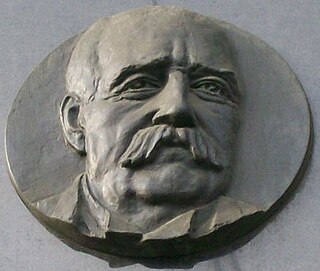
WVjekoslav Klaić was a Croatian historian and writer, most famous for his monumental work History of the Croats.
 W
WIng. Mihajlo Klajn was a Yugoslav agronomist and communist who was killed during the Holocaust.
 W
WIvan Goran Kovačić was a Croatian poet and writer.
 W
WIzidor (Iso) Kršnjavi was a Croatian painter, art historian, curator and politician.
 W
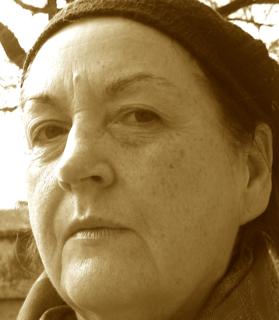
WIrena Lukšić was a Croatian writer, translator, scholar and editor. She was born in a middle-class family, her mother Zora was en economist, and her father Zdenko an administrative lawyer. In her town of birth she completed her primary and secondary education, and she graduated in Comparative Literature and Russian Language from the Faculty of Philosophy at Zagreb University. She also studied journalism at the Faculty of Political Sciences in Zagreb She obtained her doctoral degree with a thesis on Russian emigrants' literature. Her first critical reviews were published in the mid-1970s, in a music magazine. At the time she started collaborating as translator with a number of editions of Vjesnik newspaper. Short stories published in various magazines in the late 1970s marked her literary debut. The year 1981 saw the publication of her first novel Hostel for Train-escorting Personnel, which the literary critics immediately included in the category of so-called prose in jeans, i.e. youthful rebellion against authority and social restrictions. The novel Seeking a Spoon and the collection of short stories Seven Stories or One Life may be said to belong to a similar stylistic formation, while the short-story collection Nights in White Satin (1995) is characterized by a postmodernist view on reality as a game in language. The novel Return of the Broken Arrow (2000), dealing with the war in Croatia, indicates a turn towards reality. Accordingly, the novel Celestial Cyclists (2008) is set in the 1960s and interspersed with documentary material from the sphere of pop-culture, and the book of travel prose Desperately Foreboding Cohen (2013) is based on cultural references important to the 20th century and the literary procédé typical of the adventure genre.
 W
WPredrag Matvejević was a Yugoslav writer and scholar. A literature scholar who taught at universities in Zagreb, Paris and Rome, he is best known for his 1987 non-fiction book Mediterranean: A Cultural Landscape, a seminal work of cultural history of the Mediterranean region which has been translated into more than 20 languages.
 W
WMatija Mažuranić, was a Croatian writer.
 W
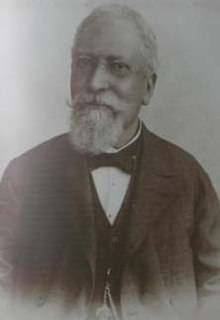
WVid Morpurgo (1838–1911) was a Dalmatian industrialist, publisher, politician and member of a notable Split family Morpurgo.
 W
WRanko Munitić was a theorist, critic, journalist and art historian – one of the most important experts on popular culture and media in Yugoslavia.
 W
WBazilije Stjepan Pandžić was a Herzegovinian Croat historian, archivist and orientalist. He entered the Franciscan Order in 1935 and was ordained for a priest in 1941. From 1947 to 1985 he was the general archivist and analyst of the Franciscan Order in Rome. In 1958 he was elected vice-president of the International Association of Church Archives. He turned 100 in January 2018 and died in April 2019 at the age of 101.
 W
WMatija Antun Relković was Habsburg military officer and a Croatian writer.
 W
WDinko Šimunović was a Croatian writer.
 W
WMijat Stojanović was a Croatian educator, ethnographer and folk writer.
 W
WTomislav Sunić, sometimes known as Tom Sunic, is a Croatian-American translator, far-right activist and a former professor. His views are often cited as part of the European New Right. The Southern Poverty Law Center describes Sunić as having white nationalist opinions.
 W
WAdolfo Veber Tkalčević was a Croatian philologist, writer, literary critic, aestheticist and politician.
 W
WJosip Eugen Tomić was a Croatian writer.
 W
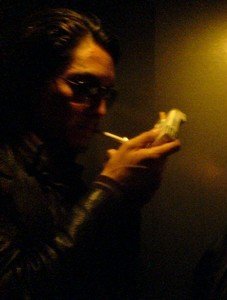
WYves-Alexandre Tripković is a French-Croatian writer, stage director and translator.
 W
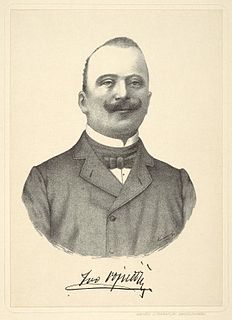
WIvo Vojnović was a writer from Dubrovnik.
 W
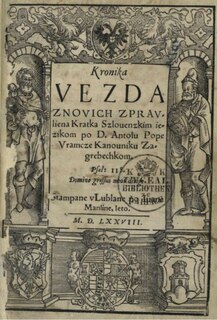
WAntun Vramec (1538–1587/8) was a priest and writer who wrote the first historical book in the Slovenian language. As it was the second book written in the Kajkavian dialect, he was also a founder of the Kajkavian literature.
 W
WAntun Vrančić or Antonio Veranzio was a Croatian prelate, writer, diplomat and Archbishop of Esztergom in the 16th century. Antun Vrančić was from Dalmatian town of Šibenik, then part of the Republic of Venice. Vrančić is also known under his Latinized name Antonius Verantius, while Hungarian documents since the 19th century refer to him as Verancsics Antal.
 W
WStanko Vraz was a Slovenian-Croatian poet. He Slavicized his name to Stanko Vraz in 1836.
 W
WLjudevit Farkaš Vukotinović was a Croatian politician, writer and naturalist.
 W
WDr. Slavko Wolf was a Croatian lawyer, chess player and writer.