 W
WMargarita Abella Caprile was an Argentine writer. Born in Buenos Aires, she was the daughter of Eduardo Abella and Margarita Caprile Mitre; and the great-granddaughter of General Bartolomé Mitre. She attended Colegio del Sagrado Corazon, Buenos Aires. Although she worked as a journalist and wrote travel books, novels, and short stories, she is known primarily as a poet. Since 1955, she replaced Eduardo Mallea as director of the literary supplement of the newspaper La Nación, where she worked until her death. Her contemporaries included Alfonsina Storni, Gabriela Mistral, Delmira Agustini, and Juana de Ibarbourou.
 W
WFederico Andahazi is an Argentine writer and psychologist.
 W
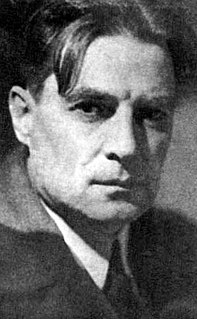
WRoberto Arlt was an Argentine novelist, storyteller, playwright, journalist and inventor.
 W
WOrlando Barone, is an Argentine journalist, writer and university lecturer. As a journalist he works for the newspaper Debate and as a columnist in the TV program 6, 7, 8.
 W
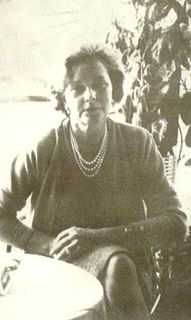
WSilvina Bullrich was a best-selling Argentine novelist, as well as a translator, screenwriter, critic, and academic. She was known in Argentina as la gran burguesa.
 W
WMartín Caparrós is a writer. His father was Antonio Caparrós, a renowned psychiatrist. Caparrós begun professional writing at age sixteen, shortly after graduating from high school at the Colegio Nacional de Buenos Aires. His first professional job in journalism was with the now defunct daily Noticias. In 1976, Caparrós fled to exile following the military coup led by General Jorge Rafael Videla. In Paris, he obtained a degree in history at the University of Paris. Caparrós would later relocate to Madrid, Spain. During the early 1980s, he resettled to Buenos Aires and since then he has produced a vast body of work including fiction and nonfiction alike.
 W
WJulio Cortázar, born Julio Florencio Cortázar American Spanish: [ˈxuljo korˈtasar] (listen); was an Argentine novelist, short story writer, and essayist. Known as one of the founders of the Latin American Boom, Cortázar influenced an entire generation of Spanish-speaking readers and writers in America and Europe.
 W
WMariana Enríquez is an Argentine journalist, novelist, and short story writer.
 W
WJosé Pablo Feinmann is an Argentine philosopher, writer, playwright and TV host. He has also written several screenplays for domestic film production and international coproductions.
 W
WSara Gallardo Drago Mitre was an influential Argentine author and journalist.
 W
WBeatriz Guido was an Argentine novelist and screenwriter.
 W
WRicardo Güiraldes was an Argentine novelist and poet, one of the most significant Argentine writers of his era, particularly known for his 1926 novel Don Segundo Sombra, set amongst the gauchos.
 W
WSylvia Iparraguirre is an Argentine novelist and human rights activist. She is a recipient of the Sor Juana Inés de la Cruz Prize.
 W
WAlicia Kozameh is an Argentine novelist, short story writer and poet, and Professor in the Creative Writing Program, Department of English, at Chapman University in Southern California. Kozameh has published seven novels, a collection of short stories and three books of poetry. She has also edited two anthologies and wrote a book in collaboration with other authors, former political prisoners from the last Argentine military dictatorship in her country.
 W
WNorah Lange was an Argentine author, associated with the Buenos Aires avant garde of the 1920s and 1930s.
 W
WBenito Lynch was an Argentine novelist and short story writer.
 W
WEduardo Mallea was an Argentine essayist, cultural critic, writer and diplomat. In 1931 he became editor of the literary magazine of La Nación.
 W
WLeopoldo Marechal was one of the most important Argentine writers of the twentieth century.
 W
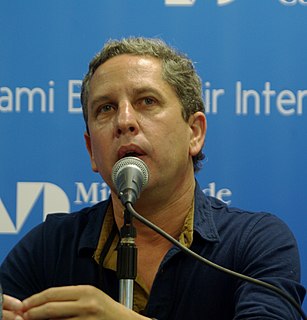
WGuillermo Martínez is an Argentine novelist and short story writer.
 W
WMartha Evelina Mercader was an Argentine politician and writer, known for novels, short stories, essays and children's books.
 W
WManuel Mujica Láinez was an Argentine novelist, essayist and art critic.
 W
WJuan Manuel Puig Delledonne, commonly called Manuel Puig, was an Argentine author. Among his best-known novels are La traición de Rita Hayworth, Boquitas pintadas, and El beso de la mujer araña which was adapted into the film released in 1985, directed by the Argentine-Brazilian director Héctor Babenco; and a Broadway musical in 1993.
 W
WJuan José Saer was an Argentine writer, considered one of the most important in Latin American literature and in Spanish-language literature of the 20th Century. He is considered the most important writer of Argentina after Jorge Luis Borges and the best Argentine writer of the second half of the 20th century.
 W
WAlicia Steimberg was an Argentine novelist.
 W
WMarta Traba was an art critic and writer known for her contributions to Latin American art and literature.
 W
WHebe Uhart was an Argentine writer. In 2017, she received the Manuel Rojas Ibero-American Narrative Award.
 W
WFrancisco "Paco" Urondo was an Argentine writer and member of the Montoneros guerrilla organization.
 W
WDavid Viñas was an Argentine dramatist, critic, and novelist.