 W
WFrance Bevk was a Slovene writer, poet and translator. He also wrote under the pseudonym Pavle Sedmak.
 W
WMatej Bor was the pen name of Vladimir Pavšič, who was a Slovene poet, translator, playwright, journalist and partisan.
 W
WEvald Flisar is a Slovene writer, poet, playwright, editor and translator. He was president of the Slovene Writers' Association for three consecutive terms between 1995 and 2002 and is editor-in-chief of the literary and cultural magazine Sodobnost.
 W
WAnton Funtek was a Slovene writer, poet, editor and translator.
 W
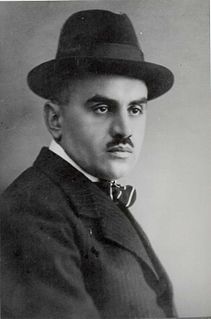
WAlojz Gradnik was a Slovenian poet and translator.
 W
WAnton Ingolič was a Slovene writer, playwright, and editor. He is best known for his novels and youth literature.
 W
WMilan Jesih is a Slovene poet, playwright, and translator. He was the president of the Slovene Writers' Association between 2009 and 2011.
 W
WMile Klopčič was a Slovenian poet and translator. Together with Tone Seliškar, he is considered as the foremost representative of Slovene social realist poetry of the 1930s and 1940s.
 W
WFrance Koblar was a Slovene literary historian, editor and translator.
 W
WCiril Kosmač was a Slovenian novelist and screenwriter.
 W
WMiško Kranjec, born as Mihael Kranjec, was a Slovene writer.
 W
WJanez Menart was a Slovene poet, best known for his Intimist poetry. He translated a number of classic French and English poetry and drama works into Slovene, including Shakespeare's sonnets.
 W
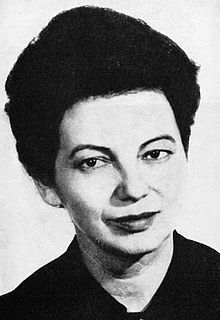
WMira Mihelič, also known as Mira Kramer Puc was a Slovene writer and translator.
 W
WTone Partljič is a Slovene writer, playwright and politician. Between 1990 and 2004 he was a member of the Slovenian National Assembly, from 1994 as a member of the LDS party. He was also president of the Slovene Writers' Association between 1983 and 1987.
 W
WTone Pavček was one of the most influential Slovene poets, translators, and essayists from the first post-war generation. He published numerous collections of poetry, well received by readers and critics alike. He also translated a number of Russian works into Slovene.
 W
WTone Peršak is a Slovene writer, politician, theatre director and journalist. He was elected to the first Slovenian National Assembly in 1992. He was also president of the Slovene Writers' Association for one term between 2001 and 2003.
 W
WRajko Perušek was a Slovene writer, translator, linguist and bibliographer.
 W
WIvan Potrč was a Slovene writer and playwright.
 W
WSlavko Pregl, full name Vekoslav Pregl, is a Slovene writer, editor and publisher best known for his youth literature. He is the current director of the Slovenian Book Agency.
 W
WRudi Šeligo was a Slovenian writer, playwright, essayist and politician. Together with Lojze Kovačič and Drago Jančar, he is considered as one of the foremost Slovenian modernist writers of the post-World War II period.
 W
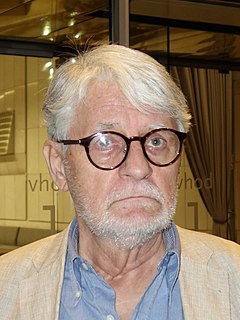
WIvo Svetina is a Slovene poet, playwright and translator. He has won numerous awards for his plays and poetry collections. In 1998 he was appointed Director of the National Theatre Museum of Slovenia. In 2014 he was elected President of the Slovene Writers' Association.
 W
WVeno Taufer is a Slovenian poet, essayist, translator and playwright. Under the Communist regime, he was a driving force behind alternative cultural and intellectual projects in Socialist Slovenia, which challenged the cultural policies of the Titoist system. During the Slovenian Spring (1988–1990), he actively participated in the efforts for the democratization and independence of Slovenia.
 W
WDavorin Trstenjak was a Slovene writer, historian and Roman Catholic priest.
 W
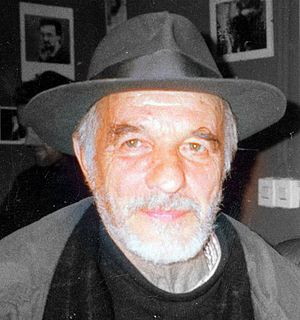
WDane Zajc was a Slovenian poet and playwright. He served as president of the Slovene Writers' Association (1991–1995), and was awarded the prestigious Prešeren Award for lifetime achievement (1981). Together with Edvard Kocbek and Gregor Strniša, he is considered as the most important Slovenian poet of the second half of the 20th century.
 W
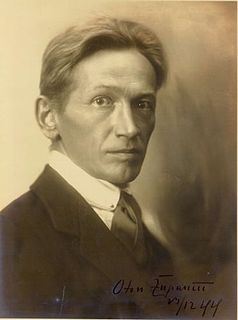
WOton Župančič was a Slovene poet, translator, and playwright. He is regarded, alongside Ivan Cankar, Dragotin Kette and Josip Murn, as the beginner of modernism in Slovene literature. In the period following World War I, Župančič was frequently regarded as the greatest Slovenian poet after Prešeren, but in the last forty years his influence has been declining and his poetry has lost much of its initial appeal.