 W
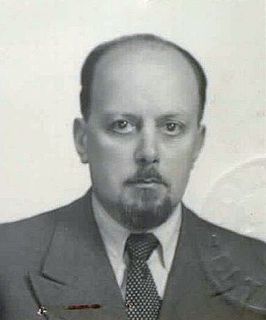
WVladimir Bartol was a writer from the community of Slovene minority in Italy. He is notable for writing his 1938 novel Alamut, the most popular work of Slovene literature around the world, translated into numerous languages.
 W
WMatej Bor was the pen name of Vladimir Pavšič, who was a Slovene poet, translator, playwright, journalist and partisan.
 W
WIvan Cankar was a Slovene writer, playwright, essayist, poet, and political activist. Together with Oton Župančič, Dragotin Kette, and Josip Murn, he is considered as the beginner of modernism in Slovene literature. He is regarded as the greatest writer in the Slovene language, and has sometimes been compared to Franz Kafka and James Joyce.
 W
WTone Čufar was a Slovene writer, a playwright and a poet.
 W
WMilan Dekleva is a Slovene poet, writer, playwright, composer and journalist.
 W
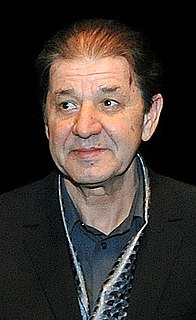
WEmil Filipčič is a Slovene writer, playwright and actor. He is known for his novels, short stories and dramas and has also appeared as an actor in numerous theatre productions in Slovenia.
 W
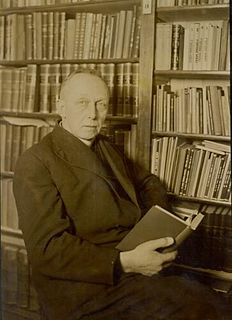
WFran Saleški Finžgar was perhaps the most popular Slovene folk writer. He is particularly known for his novels and short stories, although he also wrote poems and plays.
 W
WEvald Flisar is a Slovene writer, poet, playwright, editor and translator. He was president of the Slovene Writers' Association for three consecutive terms between 1995 and 2002 and is editor-in-chief of the literary and cultural magazine Sodobnost.
 W
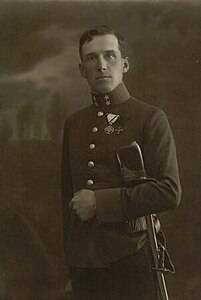
WPavel Golia was a Slovenian poet and playwright.
 W
WAlenka Goljevšček was a Slovene writer, essayist and playwright.
 W
WAndrej Hieng was a Slovene writer, playwright and theatre director.
 W
WBranko Hofman was a Slovene poet, writer and playwright. As well as his poetry he is best known for his 1981 novel Noč do jutra that deals with the subject of the Goli Otok prison.
 W
WTheodor Illek, is a poet, prose writer, visual artist, and playwright who focuses on the themes of migration, religion, and the issue of connecting art with science. He is a doctor in veterinarian medicine by training. Since 2007, he has been presenting his work both in Slovenia and abroad, namely in Russia, France, Germany, Israel, Austria, the Czech Republic, Bosnia and Herzegovina, Serbia, as the author of independent and group experimental projects implemented in the framework of a contemporary art society called Aggressive Theatre. He is also a co-founder of the same society and its president. Illek's poetry is published in the notable Slovenian and foreign magazines. His first work of poetry, called Sinapse, for which he received a scholarship from a fund for gifted high-school and university students, was published in 2003.
 W
WAnton Ingolič was a Slovene writer, playwright, and editor. He is best known for his novels and youth literature.
 W
WJanez Jalen was a Slovene writer and priest.
 W
WDrago Jančar is a Slovenian writer, playwright and essayist. Jančar is one of the most well-known contemporary Slovene writers. In Slovenia, he is also famous for his political commentaries and civic engagement.
 W
WJože Javoršek was the pen name of Jože Brejc, a Slovenian playwright, writer, poet, translator and essayist. He is regarded as one of the greatest masters of style and language among Slovene authors. A complex thinker and controversial personality, Javoršek is frequently considered, together with the writer Vitomil Zupan, as the paradigmatic example of the World War II and postwar generation of Slovene intellectuals.
 W
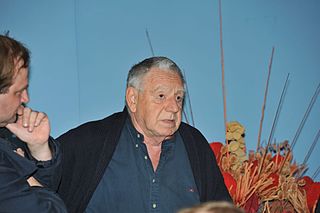
WMilan Jesih is a Slovene poet, playwright, and translator. He was the president of the Slovene Writers' Association between 2009 and 2011.
 W
WDušan Jovanović is a Slovene theatre director, playwright and essayist. He is known for his experimental and grotesque satirical theatre. Since 2005 he has also been the president of the Prešeren Foundation.
 W
WTaras Kermauner was a Slovenian literary historian, critic, philosopher, essayist, playwright and translator.
 W
WMiroslav Košuta is a Slovene poet, playwright and translator from Križ by Trieste, a younger representative of Intimism and Socialist Realism. On 7 February 2011, he received the Prešeren Award, the highest cultural award in Slovenia, for his poetry and contributions to the preservation of the Slovene language in Italy.
 W
WJuš Kozak, also known under the pseudonym Jalanov, was a Slovenian writer, playwright, and editor. He is best known for his autobiographic novels, such as Celica on his experience as a political prisoner, and Lesena žlica on life during World War II.
 W
WBratko Kreft was a Slovenian playwright, writer, literary and theater historian and director.
 W
WMiloš Mikeln was a Slovene writer, playwright, theatre director and journalist. He was president of Slovene PEN and was the initiator of the Writers for Peace Committee, founded in 1984. He was the Committee chairman for the first decade of its existence. The Committee still operates within the fold of PEN International to this day, providing a platform for literary and intercultural dialogue and understanding.
 W
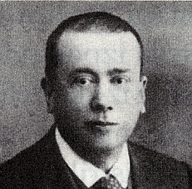
WFran Milčinski, also known by the pen name Fridolin Žolna, was a Slovene lawyer, writer and playwright.
 W
WVinko Möderndorfer is a Slovene writer, poet, playwright and theatre and film director.
 W
WAnton Novačan was a Slovene politician, diplomat, author, and playwright.
 W
WJože Pahor was a Slovene writer, playwright, editor and journalist.
 W
WTone Partljič is a Slovene writer, playwright and politician. Between 1990 and 2004 he was a member of the Slovenian National Assembly, from 1994 as a member of the LDS party. He was also president of the Slovene Writers' Association between 1983 and 1987.
 W
WŽarko Petan was a Slovenian writer, essayist, screenwriter, and theatre and film director. He is best known as a writer of aphorisms.
 W
WIvan Potrč was a Slovene writer and playwright.
 W
WAlojz Rebula was a Slovene writer, playwright, essayist, and translator, and a prominent member of the Slovene minority in Italy. He lived and worked in Villa Opicina in the Province of Trieste, Italy. He was a member of the Slovenian Academy of Sciences and Arts.
 W
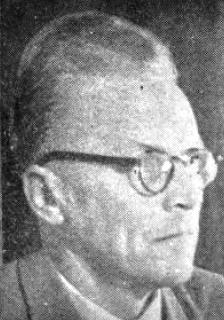
WFran Roš was a Slovene writer, poet, and playwright.
 W
WMarjan Rožanc was a Slovenian author, playwright, and journalist. He is mostly known for his essays, and is considered one of the foremost essayists in Slovene, along with Ivan Cankar, Jože Javoršek, and Drago Jančar, and as a great master of style.
 W
WRudi Šeligo was a Slovenian writer, playwright, essayist and politician. Together with Lojze Kovačič and Drago Jančar, he is considered as one of the foremost Slovenian modernist writers of the post-World War II period.
 W
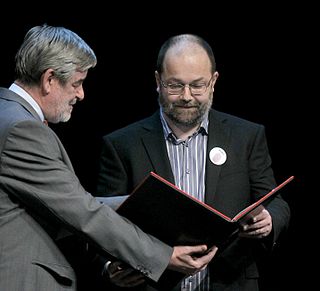
WAndrej Ermenc Skubic is a Slovene writer, playwright, and translator.
 W
WDominik Smole was a Slovenian writer and playwright.
 W
WJosip Stritar was a Slovene writer, poet, essayist, the first aesthetic critic, playwright, publisher and translator.
 W
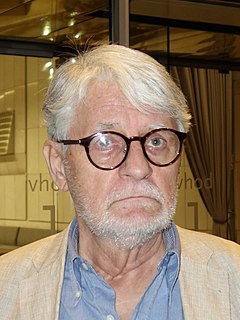
WIvo Svetina is a Slovene poet, playwright and translator. He has won numerous awards for his plays and poetry collections. In 1998 he was appointed Director of the National Theatre Museum of Slovenia. In 2014 he was elected President of the Slovene Writers' Association.
 W
WIgor Torkar was the pen name of Boris Fakin, a Slovenian writer, playwright, and poet best known for his literary descriptions of Communist repression in Yugoslavia after World War II.
 W
WRok Vilčnik, also known as rokgre, is a Slovene writer, playwright; poet, songwriter and screenwriter.
 W
WŠtefan "Stevo" Žigon was a Yugoslav and Serbian actor, theatre director, and writer.
 W
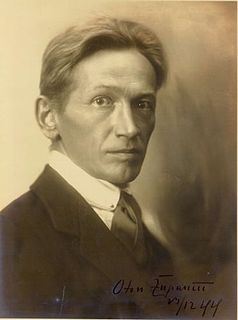
WOton Župančič was a Slovene poet, translator, and playwright. He is regarded, alongside Ivan Cankar, Dragotin Kette and Josip Murn, as the beginner of modernism in Slovene literature. In the period following World War I, Župančič was frequently regarded as the greatest Slovenian poet after Prešeren, but in the last forty years his influence has been declining and his poetry has lost much of its initial appeal.