 W
WMarcello Abbado was an Italian pianist, composer, conductor and academic teacher. His compositions include several orchestral works, two ballets, numerous pieces for solo piano, and chamber music. As a pianist, he played in major concert halls of the world. He taught composition at several conservatories, ultimately at the Giuseppe Verdi Conservatory. In 1989 he was awarded the Gold Medal for Meritorious Culture and Art by the Government of Italy.
 W
WEvangelista Andreoli was an Italian organist, pianist, and teacher.
 W
WPietro Armanini was an Italian mandolin virtuoso who was born in 1844 and died on 8 September 1895 in Bordeaux, France. As a professor at La Scala, he was one of the most famous exponents of the Milanese mandolin and the first to bring his instrument professionally before the English public.
 W
WBartolomeo Bortolazzi was a performing musician, composer, author, and virtuoso of both the guitar and the mandolin. He was credited by music historian Philip J. Bone as helping to pull the mandolin out of decline.
 W
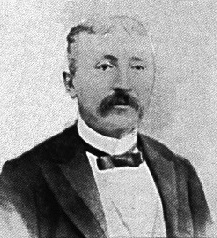
WGiuseppe Bellenghi was a virtuoso violincellist and mandolinist, and a composer. He was remembered in 1914 as "a devoted champion of the mandolin."
 W
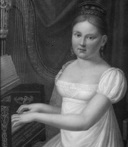
WMarianna Bottini née Motroni-Andreozzi was an Italian composer and harp teacher. She was born in Lucca, daughter of the nobleman Sebastiano Motroni-Andreozzi and his wife Eleonora Flekestein.
 W
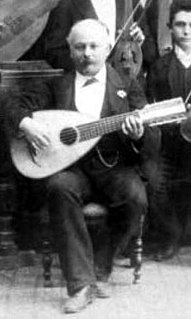
WGiuseppe Branzoli was a violinist, mandolinist, composer, author, educator at the Liceo Musicale di St. Cecilia in Rome, and the founder of the periodical IL mandolin Romano. His compositions were for violin, mandolin, flute and cello, as well as church music.
 W
WAntonio Buonomo is an Italian composer, solo percussionist and music educator. Professor of percussion at the conservatories of "S.Pietro a Majella in Naples" of Naples and "S.Cecilia" of Rome, Antonio Buonomo's professional experience includes performing as timpani soloist in various orchestras and director of one of Europe’s first all-percussion instrument groups. His many compositions and transcriptions for percussion instruments have been published by the main houses of this sector and include teaching materials as well as music for plays and television documentaries. They have been performed for the occasion of prestigious avant-garde musical events, television and radio programs as well as in public concerts.
 W
WFerruccio Busoni was an Italian composer, pianist, conductor, editor, writer, and teacher. His international career and reputation led him to work closely with many of the leading musicians, artists and literary figures of his time, and he was a sought-after keyboard instructor and a teacher of composition.
 W
WEugenia Calosso was an Italian conductor and composer. She was born in Turin, Piedmont, and studied composition with Giovanni Cravero. She began her career as a conductor at the Casino Municipale in San Remo and continued concert tours of Europe until 1914.
 W
WMichele Campanella is an Italian pianist who specialises in the music of Franz Liszt, and is also a conductor.
 W
WLuigi Castellacci was an Italian virtuoso on the mandolin and guitar, an instrumental composer and the author of popular French romances with guitar and piano accompaniments.
 W
WCesare Ciardi was an Italian flautist and composer.
 W
WFerdinando de Cristofaro was one of the most celebrated mandolin virtuosi of the late 19th Century. He was also a classical pianist, teacher, author and composer, who performed at the chief courts of Europe, and received the royal appointment of mandolinist to the King of Italy.
 W
WCarlo Curti was a Bolognese Italian cellist, educator and composer. He studied violin under Rolla, and then the cello under Parisini. He was made professor at the Liceo di Musica as a young man and in May 1838 became First Cello in the Teatro Regio in Parma when it was led by Nicola De Giovanni. He retired to Bologna, his home town and birthplace, in 1871 or 1872 and died from a cardiac condition caused by pneumonia soon after. The 17 May 1838 issue of the music journal Teatri Art E Letteratura pointed to him as him an example of Italian musical excellence, a gift to the world.
 W
WLeonardo De Lorenzo was an Italian virtuoso flautist and music educator.
 W
WPietro Denis (1720–1790), also known as Pierre Denis, was a French mandolin virtuoso and teacher, and composer. He studied under Giuliano in Naples and established himself in Paris. He is best known for his compositions Sonata for Mandolin & Continuo No. 1 in D major and Sonata No. 3 for Mandolin. He also wrote a mandolin instruction method, Méthode pour apprendre à jouer de la mandoline sans Maître, published Paris in 1768.
 W
WGiuseppe Gallignani was an Italian composer, conductor and music teacher.
 W
WMaria Brizzi Giorgi was an Italian organist, composer and pianist noted for her improvisational ability. She was born in Bologna into a musical family, and began to perform in public at an early age. She served as organist and choral director from 1787–89 with the Sisters of St. Bartholomew in Ancona, and then returned to Bologna where she continued her studies in music.
 W
WElena Barbara Giuranna was an Italian pianist and composer.
 W
WBruno Giuranna is an Italian violist.
 W
WEmilia Gubitosi was an Italian pianist and composer.
 W
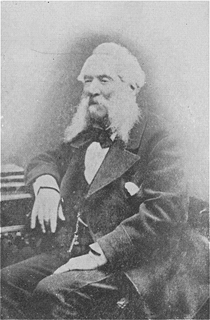
WFrancesco Lamperti was an Italian singing teacher.
 W
WGiovanni Battista Lamperti was an Italian singing teacher and son of the singing teacher Francesco Lamperti. He is the author of The Technics of Bel Canto (1905) and source for Vocal Wisdom: Maxims of Giovanni Battista Lamperti (1931).
 W
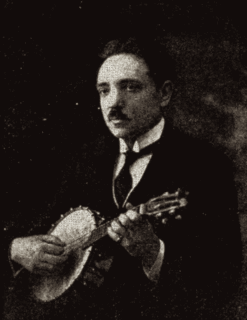
WSalvator Léonardi was a mandolin virtuoso, teacher and composer. He taught in Egypt, Malta, London and Paris for more than 20 years, and also toured as a performer. Léonardi learned mandolin and guitar from an uncle, but went on to become a professional musician, studying the violin at a Naples conservatory. He won awards as a solo mandolinist at international music competitions in Florence and Rome.
 W
WArturo di Giuseppe Melocchi was an Italian baritone and voice teacher who is best known for having been the teacher of dramatic tenor Mario Del Monaco and his older brother Marcello Del Monaco. Also whose method influenced the voice and technical development of tenor Franco Corelli.
 W
WEduardo Mezzacapo (1832–1898) was an Italian mandolinist, recognized as a virtuoso. He was also a composer, and a performer, organizing and playing in a mandolin quartet in France. Although he died before recording technology, his quartet did get recorded between 1905 and 1910. He was also the founder of l'Ecole de mandoline française.
 W
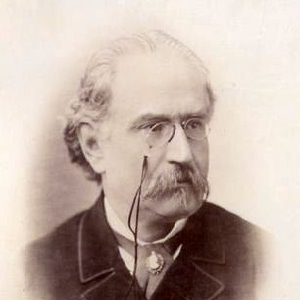
WCarlo Pedrotti was an Italian conductor, administrator and composer, principally of opera. An associate of Giuseppe Verdi's, he also taught two internationally renowned Italian operatic tenors, Francesco Tamagno and Alessandro Bonci.
 W
WPietro Platania was an Italian composer and music educator.
 W
WTeresa Rampazzi née Teresa Rossi was an Italian pianist and composer who was a pioneer of electronic and computer generated music.
 W
WAlessandro Rolla was an Italian viola and violin virtuoso, composer, conductor and teacher. His son, Antonio Rolla, was also a violin virtuoso and composer.
 W
WGiuseppe Siboni was an Italian operatic tenor, opera director, choir conductor, and voice teacher. He began his career in his native country in 1797 and actively performed in major Italian opera houses up through 1818. From 1806 to 1809 he performed successfully in London, and from 1810 to 1814 he was active in Vienna, where he enjoyed the friendship of Ludwig van Beethoven. He played a critical role in Danish musical life from 1819 until his death in 1839. In 1819 he joined the Royal Danish Theatre in Copenhagen, where he worked first as a singer and later as director of the opera chorus and head director. In 1827 he founded the Royal Conservatory of Music in Copenhagen. He was married three times during his life, including his second marriage to the sister of poet Franz von Schober. His third marriage produced a son, the composer and pianist Erik Siboni (1828–1892).
 W
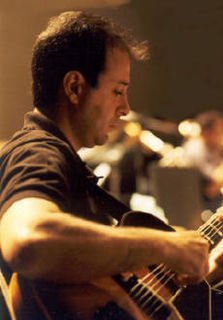
WRoberto Tola is an Italian jazz guitarist and composer.
 W
WLazzaro Uzielli was an Italian pianist and music educator.
 W
WEliza Mazzucato Young was an Italian-born American composer, musician, and educator. She wrote Mr. Sampson of Omaha (1888), one of the first operas by a woman to be produced in the United States.
 W
WCarlo Zecchi was an Italian pianist, music teacher and conductor.