 W
WOskar Artur Alexander was a Croatian academic painter and professor.
 W
WRobert Baća was a Croatian sculptor and painter. Baća graduated from the Academy in Zagreb in 1974. He was an assistant at the Antun Augustinčić masterworks. He worked in sculpture and abstract ceramics with associative nuances and accented dimensions.. He also worked with coloured porcelain objects. He has exhibited his works in Zagreb, Samobor, Sesvete, Sisak, Zürich and Liechtenstein.
 W
WCharles Billich is an artist living in Sydney, Australia. He is the recipient of the 2000 Sport Artist of the Year Award presented annually by the American Sport Art Museum and Archives.
 W
WVlaho Bukovac was a Croatian painter and academic. His life and work were eclectic, for the artist pursued his career in a variety of locales and his style changed greatly over the course of that career. He is probably best known for his 1887 nude Une fleur, which he created during his French period and which received attention in various reviews and publications during his lifetime. Bukovac was the court painter for Obrenović dynasty, Karađorđević dynasty and Petrović-Njegoš dynasty. In Zagreb, he is probably best known as the painter of the 1895 theatre curtain in the Croatian National Theatre.
 W
WBela Čikoš Sesija was a Croatian Symbolist painter, art teacher and one of the founders of the Academy of Fine Arts in Zagreb.
 W
WMenci Clement Crnčić was a Croatian painter, printmaker, teacher and museum director. He studied painting and drawing in Vienna and Munich, and trained in graphic arts in Vienna, studying etching and engraving. He was the first artist in the Croatian graphic tradition to abandon a strictly linear style and use tonal variation to create contrasting areas of light and shade.
 W
WMarijan Dragman was a Croatian alpinist, photographer, sportsman, and painter.
 W
WIvan Generalić was a Croatian painter in the naïve tradition.
 W
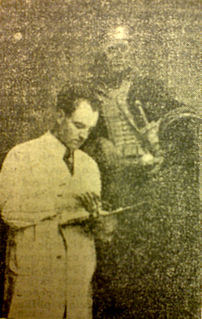
WJosip Horvat was a Croatian painter.
 W
WHugo Conrad von Hötzendorf was a Croatian painter and art instructor of German ancestry .
 W
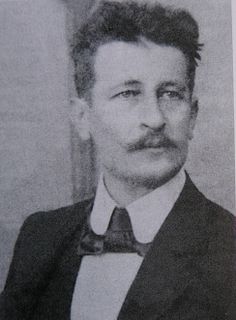
WOton Iveković was a Croatian painter. A graduate of Academy of Fine Arts in Vienna, Iveković later taught at the Zagreb Academy of Fine Arts. He largely concerned himself with historical topics as well as some religious themes. Many of his paintings remain the chief representations of Croatian history.
 W
WIgnjat Job was an important representative of colour expressionism in the art scene of Yugoslavia during the 1930s. Job's landscapes of Dalmatia are reminiscent of the style of Van Gogh. He is best known for his series of paintings inspired by life on the island of Brač. Job said that “the beneficial influence of the Brač landscape can be felt, the hot sun, blue sea, and green branches of olive trees swayed by the breath of the maestral”. His paintings depicted the Mediterranean landscape, motifs of the town of Supetar, fishing themes, and more rarely portraits and nudes.
 W
WDrago Jurak (1911-1994) was a Croatian painter. His works can be found at the Croatian Museum of Naïve Art in Zagreb.
 W
WVjekoslav Karas was a Croatian painter, considered a pioneer of a new era of Croatian painting and art in general.
 W
WJulije Knifer was a Croatian abstract painter and a founding member of the 1960s Croatian art collective known as the Gorgona Group.
 W
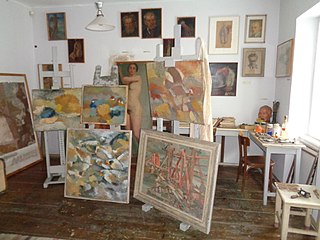
WLadislav Kralj-Međimurec was a Croatian painter and engraver. In the history of Croatian painting he is best known for his landscapes of his home county, Međimurje, and Zagorje, which he created throughout his entire life. Although during his lifetime his art was little known to other artists and art critics, today it has been recognized that the works of Kralj-Međimurec represent a valuable contribution to the history of Croatian visual arts of the twentieth century.
 W
WMiroslav Kraljević was a Croatian painter, printmaker and sculptor, active in the early part of the 20th century. He is one of the founders of modern art in Croatia.
 W
WIzidor (Iso) Kršnjavi was a Croatian painter, art historian, curator and politician.
 W
WAlfred Krupa was a prominent Yugoslavian and Croatian academic painter, inventor, sportsman and art teacher born in Mikolow now in Poland then in German Empire. Since 1943 he has lived in Croatia, Yugoslavia.
 W
WAlfred Freddy Krupa (Krūppa) GCCR is a Croatian contemporary painter, master draughtsman, book artist, art photographer and art teacher. British Aesthetica describes Krupa as a pioneering force in the New Ink Art movement, for which he has gained international recognition.
 W
WVasko Lipovac was a Croatian painter, sculptor, printmaker, designer, illustrator and scenographer and one of the most prominent artists of the region. He is best known for his minimalist figuration and use of intense, unmodulated and often dissonant palette. With the exception of his juvenile period of geometric abstraction, he remained loyal to figuration throughout his whole career. Exceptionally prolific, he worked in various techniques and was equally skilful in using high-polished metal, polychromous wood, enamel, terracotta or polyester to create his sculptures, reliefs and mobiles.
 W
WMato Celestin Medović was a Croatian painter. Best known for his large paintings depicting historical scenes, and his series of colourful landscapes and seascapes of his native Dalmatia, Medović is one of the earliest modern Croatian painters.
 W
WAntun Motika was a Croatian artist. He was an innovative artist, not attached to any particular artistic school or tendency. Motika was a prolific painter, who left behind a great legacy.
 W
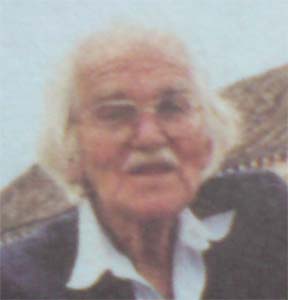
WEdo Murtić was a painter from Croatia, best known for his lyrical abstraction and abstract expressionism style. He worked in a variety of media, including oil painting, gouache, graphic design, ceramics, mosaics, murals and theatrical set design. Murtić travelled and exhibited extensively in Europe and North America, gaining international recognition for his work, which can be found in museums, galleries and private collections worldwide. He was one of the founders of the group "March" (Mart) in 1956, and received many international awards. In 1958 Murtić participated in the three biggest events in the world of contemporary art: the Venice Biennale, the Carnegie Prize in Pittsburgh, and Documenta in Kassel. Interest in the art of Edo Murtić continues to grow, with retrospective exhibits in major museums.
 W
WAlfred Pal was Croatian painter and graphic designer.
 W
WFerdinand (Ferdo) von Quiquerez, also called Ferdo Kikerec was a Croatian painter of French ancestry. Among his most popular history paintings are the Arrival of the Croats at Sea (1870), Kosovo Girl (1879), and Antemurale Christianitatis (1892).
 W
WIvan Rabuzin was a Croatian naïve artist. French art critic Anatole Jakovsky described him in 1972 as "one of the greatest naïve painters of all times and countries".
 W
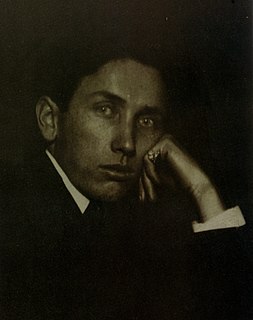
WJosip Račić was a Croatian painter in the early 20th century. Although he died very young, and his work was mostly created during his student years, he is one of the best known modern Croatian painters. Today, Račić is regarded as one of the most important representatives of Croatian modern painting.
 W
WMirko Rački was a Croatian painter.
 W
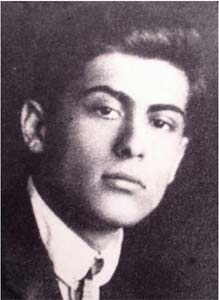
WIvan Rein was a Croatian Jewish painter.
 W
WĐuro Seder is a Croatian painter. He lives and works in Zagreb, Croatia.
 W
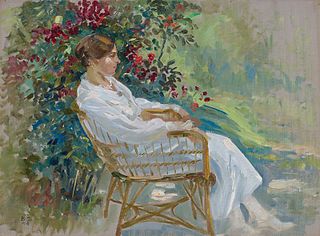
WBranko (Branimir) Šenoa was a Croatian painter, graphic artist and art historian.
 W
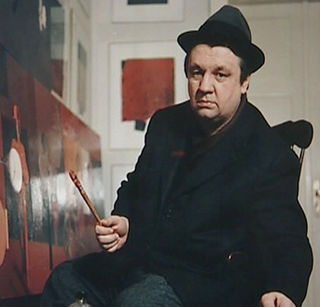
WMiljenko Stančić was a Croatian painter and graphic artist. He is famous for his vast painting oeuvre of Varaždin cityscapes.
 W
WMarino Tartaglia was a Croatian painter and art teacher, for many years a professor at the Academy of Fine Arts, Zagreb.
 W
WIvan Tišov was a Croatian painter. He studied art at the Academy of Fine Arts, Munich, bringing back ideas from the Munich Secession movement to Zagreb. He is best known for his work in public and government buildings in Zagreb, and paintings in churches in his native Slavonia in north-east Croatia.
 W
WIvan Večenaj was a Croatian painter. His works can be found at the Croatian Museum of Naïve Art in Zagreb.
 W
WAdolf Ignjo Waldinger was a painter from Osijek, Croatia of Danube Swabian origin. He was a member of Osijek's Bürgerliche Zeichenschule drawing school.